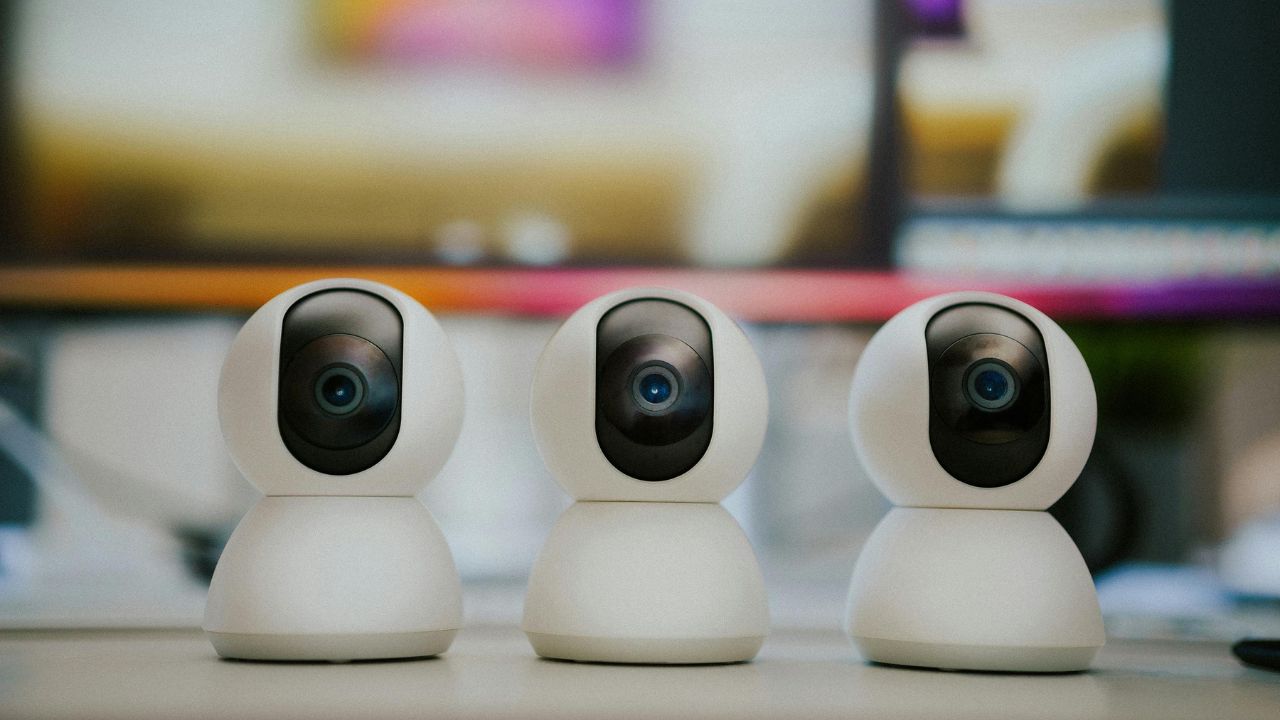
Security is no longer a peripheral issue of modern business, but a part of its operations. Whether it is small retail shops or big multinational companies, surveillance systems offer a much-needed security system against theft, vandalism, and operational risks. Fortunately, ip security camera manufacturers have provided businesses with even more sophisticated video surveillance. There is a growing demand for more dependable surveillance systems. This is the main reason that businesses are switching to Internet Protocol (IP) cameras.
The IP camera Technology
IP cameras brought a significant change in the way surveillance is done. In contrast to analog cameras, IP systems transmit the video information using digital signals to the internet or a network. This enables them to provide much greater resolution and is available in both standard HD and also in high-end 4K and even 8K formats. These improve the quality of images, the ability to zoom in and out and the overall performance of businesses. Moreover, IP cameras also have the ability to be accessed remotely, use mobile applications, detect motion, and apply artificial intelligence-driven smart analytics. Such innovations render them a flexible option for companies in need of updating their security systems.
High Quality of Images and Detail
The radical increase in image quality is one of the primary reasons why businesses are moving to IP cameras. The footage can be clear, and it makes all the difference in the investigations of security, in identifying the people and keeping a check on sensitive places. Where analog systems usually provide grainy images, IP cameras can provide details with accuracy. This enables security teams to make their incident analysis with confidence and minimizes the possibility of falling into a conflict over ambiguous evidence. Increased low-light performance and infrared capabilities also add to the credibility of IP cameras, as the camera will be able to monitor even in the dark, around the clock.
Cost Efficiency over Time
IP systems might seem to be more costly than analog at first sight. Nonetheless, companies have realized that the long-term gains are worth the initial investment. The use of Power over Ethernet (PoE) technology means that IP cameras need fewer cables since power and data can run through a single line. This saves on the cost of installation and the easy expansion of systems as businesses increase. Moreover, digital or cloud storage options remove the requirement of having large physical storage systems, which reduces the cost of maintenance. The cost efficiency and scalability of the IP systems end up making them a cost-efficient option in the long run.
Advanced Features and Smart Analytics
Availability of advanced features in the IP cameras is another important factor that has induced the transition. Most of the models are also fitted with artificial intelligence, which allows them to pick up movement and faces as well as behavioral patterns. Such kind of intelligent surveillance assists companies in avoiding accidents before they happen. As a case in point, analytics can be used by retail stores to track the crowd density, and the offices can employ cameras and access control systems to track entry points. These features are not limited to mere recording, and these capabilities transform cameras into active security tools that can add value to operations every day.
Remote Availability and Adaptability
Contemporary companies conduct their activities in various places, and managers may need to know the activities of various branches simultaneously. The IP cameras offer the ease of viewing live or recorded images anywhere on mobile phones or computers. This remote monitoring will enable the decision-makers to be connected and react fast in case of a possible threat. IP systems are also flexible and hence suitable to suit most environments, be it a construction site in a remote location or a large corporate campus with many points of entry.
Enhanced Cybersecurity and Reliability
Where analog systems were relatively isolated, IP cameras work on digital networks, and this poses a cybersecurity concern. Nevertheless, manufacturers today are providing strong encryption and security measures to their devices so that they cannot be accessed without authorization. This is an added security measure to businesses, whereby they are convinced of the safeguarding of their sensitive footage. Consequently, organizations do not just increase the level of physical security but also protect data integrity in a more digitalized world.
Conclusion
The analog to IP camera transition is not only a change of technology, but a change of priorities by contemporary business entities. Firms are now requiring a better image quality, smarter analytics, easy scalability, and capabilities to keep an eye on their operations remotely. IP camera systems provide all these benefits at a lower long-term cost. The move to IP cameras is no longer a choice but a requirement for businesses that are determined to protect assets and to adapt to the world of an interconnected, which is technology-driven world.